Fostering An Inclusive Community Vol. 1
Fomentando una Comunidad Inclusiva
Jessica Howes, Maria Ayelen Oliveto & Catalina Garat
Topics For Discussion: History of Inclusion & Definitions. Neurodiversity. Models of Integration, Segregation & Exclusion. Inclusive Practices at TGS.
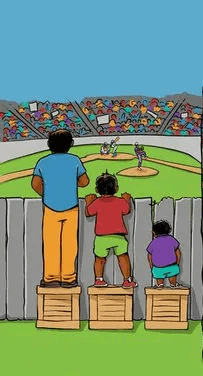
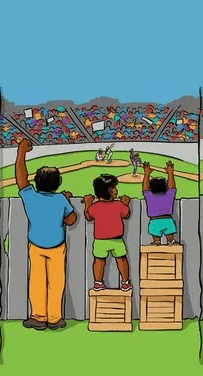
Image-Text Matching Puzzle
Match the concepts with their visual representations
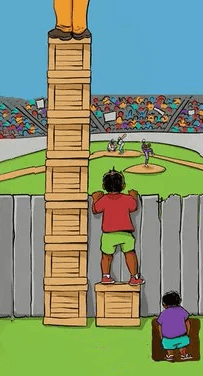
History of Inclusion:
Historically, inclusive education has its roots in the human rights movement of the 20th century. Several key milestones have shaped this shift, placing human rights at the forefront of educational reform. Significant historical events that contributed to this change include:
1948: The Universal Declaration of Human Rights
1959: The United Nations Declaration of the Rights of the Child
1975: The United Nations Declaration on the Rights of Disabled Persons
1989: The United Nations Convention on the Rights of the Child
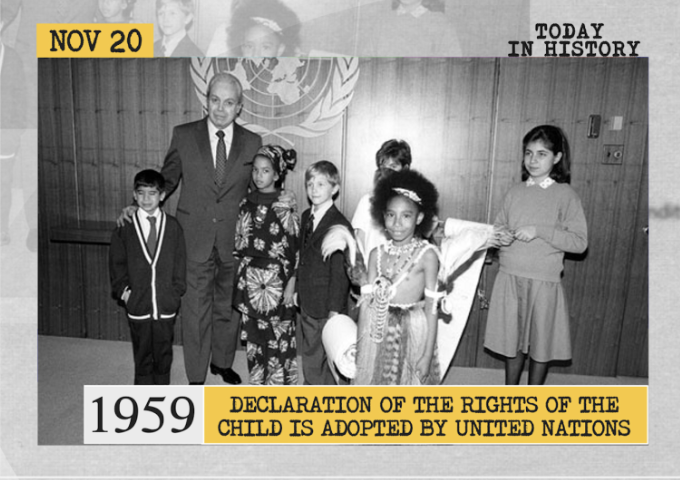
Education For All & Inclusive Education:
Four International Meetings that are key to the development of educational reform calling for Education For All & Inclusive Education: 1990: Education for All Jomtien 1994: The Salamanca Agreement 2000: World Education Forum Dakar 2006: Convention on the Rights of Persons with Disabilities UN Geneva

Definitions of Inclusive Education:
Among scholars and educational reformists, defining and understanding Inclusive Education has come under many academic debates. Which has led to its misunderstanding in many contexts.
What do scholars and activists mean by defining Inclusive Education? The Broad View: a fundamental right that all children and parents/caregivers have the fair and available access to education - including all marginalized identities within society: race, class, gender, disability, sexual orientation & identity.
Acknowledges individual requirements for individuals to receive fair and adequate access to society, a proactive approach to eliminate excluding social barriers for all children.
Definitions of Inclusive Education
The Narrow View: "means by which persons with disabilities can lift themselves out of poverty, obtain the means to participate fully in their communities, and be safeguarded from exploitation. It is also the primary means through which to achieve inclusive societies." (University of Nottingham, 2025).
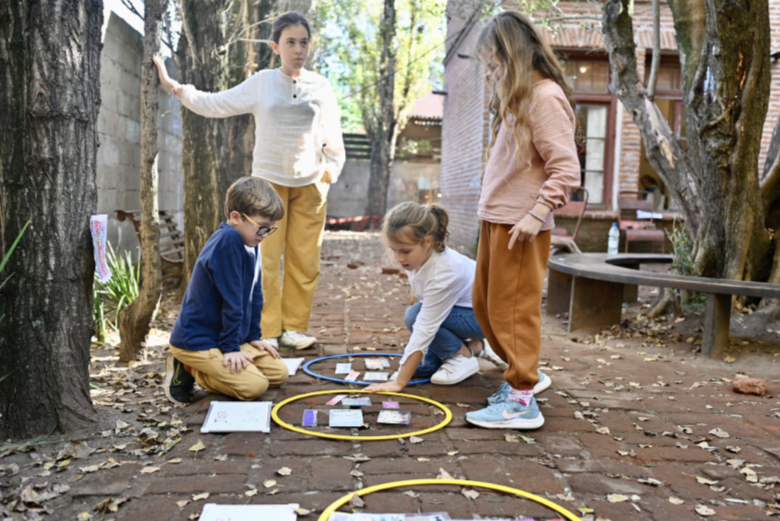
Social Model of Disability:
Historically, people with disability have faced discrimination, stereotypes & stigma. disability as helpless and sad. a drain on social benefits such as health benefits or subsidies. seen as dangerous or evil. excluded from infrastructure, daily tasks, education, sports and jobs.
An Inclusive Educational Practice explores how to break down these social barriers within the educational system, specially focusing on mainstream schools. The approach is to dismantle the system in which individuals are excluded from education.